

In this new phase of the war, major Ukrainian cities are taking the hardest hits. Russian forces are continuously striking civilian and commercial sites, including food and water storage facilities, book and clothing warehouses, and small cargo depots.
While the world is focused on AI-powered drones, one hundred thousand drone pilots on the other side of the frontline are still manually guiding drones toward these targets.
In this edition:
Russia’s New Strike Tactics: Small and Continuous Waves;
Gamification of War: How Ukrainian Drone Pilots Earn Points for Successful Strikes;
What’s Wrong with Ukraine’s Arms Exports?
Ukraine’s New Defence Minister and His Vision;
and 10+ additional developments in Ukraine and Russia.
Thank you for reading and supporting my work!
Russia’s New Strike Tactics: Small and Continuous Waves
Russia has shifted to a new air terror tactic in recent days – hitting Kyiv and other cities in small drone waves every 30–60 minutes around the clock. On August 27, Kyiv saw 13 air raid alerts totaling 14 hours.
August 30 became the fourth consecutive calendar day during which Kyiv has been subjected to aerial attacks, according to the Russian pro-war Telegram channel Dva Mayora. The series began overnight on August 27 and has continued with only brief interruptions.
Instead of relying exclusively on large-scale nighttime raids, Russia is employing smaller repeated groups, including high-speed jet-powered UAVs, with strikes occurring both during the day and at night. This approach forces Ukrainian air-defence units, mobile fire groups, emergency responders and municipal services to operate almost continuously.
Ukrainian military expert Oleh Zhdanov, analyzing drones’ flight trajectories over Kyiv, concluded that they are being guided by human operators rather than relying solely on automated navigation. Human control could explain the drones’ erratic maneuvers over Kyiv. Such flight patterns may also exert psychological pressure on civilians by creating panic and uncertainty. Intercepting such targets over highly populated areas remains extremely difficult for Ukrainian forces.
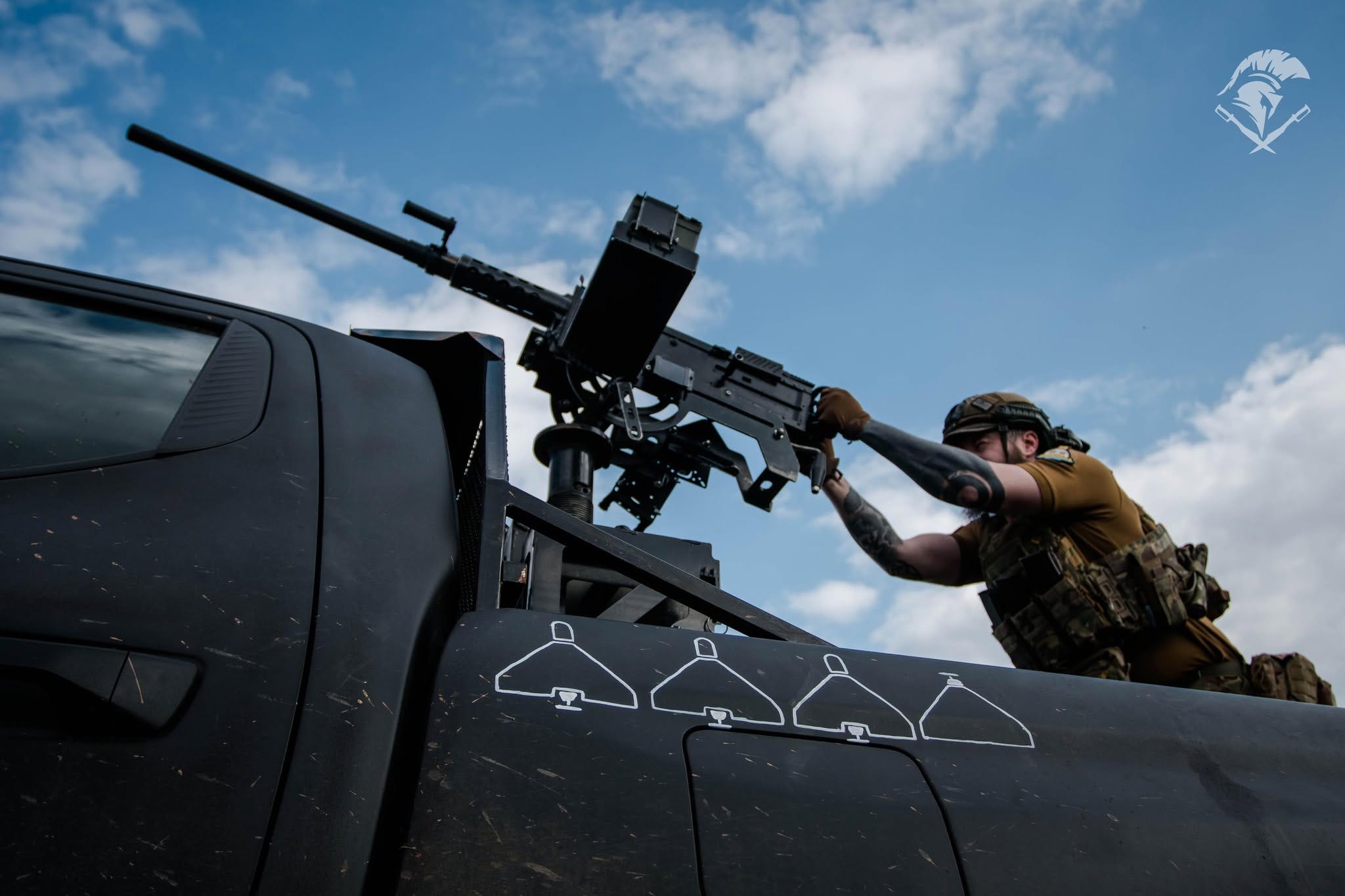
Jet-powered drones such as Shaheds and Banderol missile/drones are taking over roles previously performed by air-launched cruise missiles from strategic bombers or sea-launched Kalibr missiles. President Zelensky said that Russia used over 1500 drones in these 4 days, 800 of which were jet-powered.
According to Serhii “Flash” Beskrestnov, adviser to the president on the development of defence technology, the number of jet-powered Shahed drones Russia uses has increased by at least 67% in a single month, from approximately 1,500 to more than 2,500. Beskrestnov also said that the jet-powered Shaheds are being launched against Ukraine “practically straight from the factory.”
Prolonged air-raid alerts affect not only people’s safety but also the operation of businesses, logistics, transport, schools, kindergartens, and other areas of daily life. Russia is attempting to paralyze economic activity in the capital and other major cities, so Ukraine’s response procedures also need to change. The Ukrainian authorities plan to review approaches to the curfew and civilians’ access to more timely information about aerial threats, wrote Ukraine’s Prime Minister, Serhii Koretsky.
Recent Russian airstrikes have severely disrupted Ukraine’s commercial supply network, destroying roughly 90% of food logistics capacity used by major retailers. Serhii “Flash” Beskrestnov urged Ukrainians not to give in to rumours, disinformation, or panic. He said manufacturers and retailers are already restructuring their supply chains. According to Beskrestnov, Russia is not targeting “food” as such, but rather large businesses that generate tax revenue and provide jobs.
Russian milbloggers wrote that many observers are linking these developments to the recent visit of the CIA Director to Moscow and speculation surrounding possible peace negotiations. They conclude with the usual call for Ukraine’s destruction, showing that there is no real readiness in Russia for de-escalation: “We think the best backdrop for negotiations is the enemy’s capital burning. We need to keep destroying the enemy while it is experiencing a shortage of surface-to-air missiles and while we are increasing production of jet-powered Geran drones.”
Check out my recent reports:
Gamification of War: How Ukrainian Drone Pilots Earn Points for Successful Strikes
Journalist Simon Ostrovsky interviewed Andrii, a verification analyst at Brave1, about Ukraine’s e-Points system, which awards military units points for verified battlefield results. Those points can then be spent through the Brave1 Market on drones, EW systems, and other equipment.