

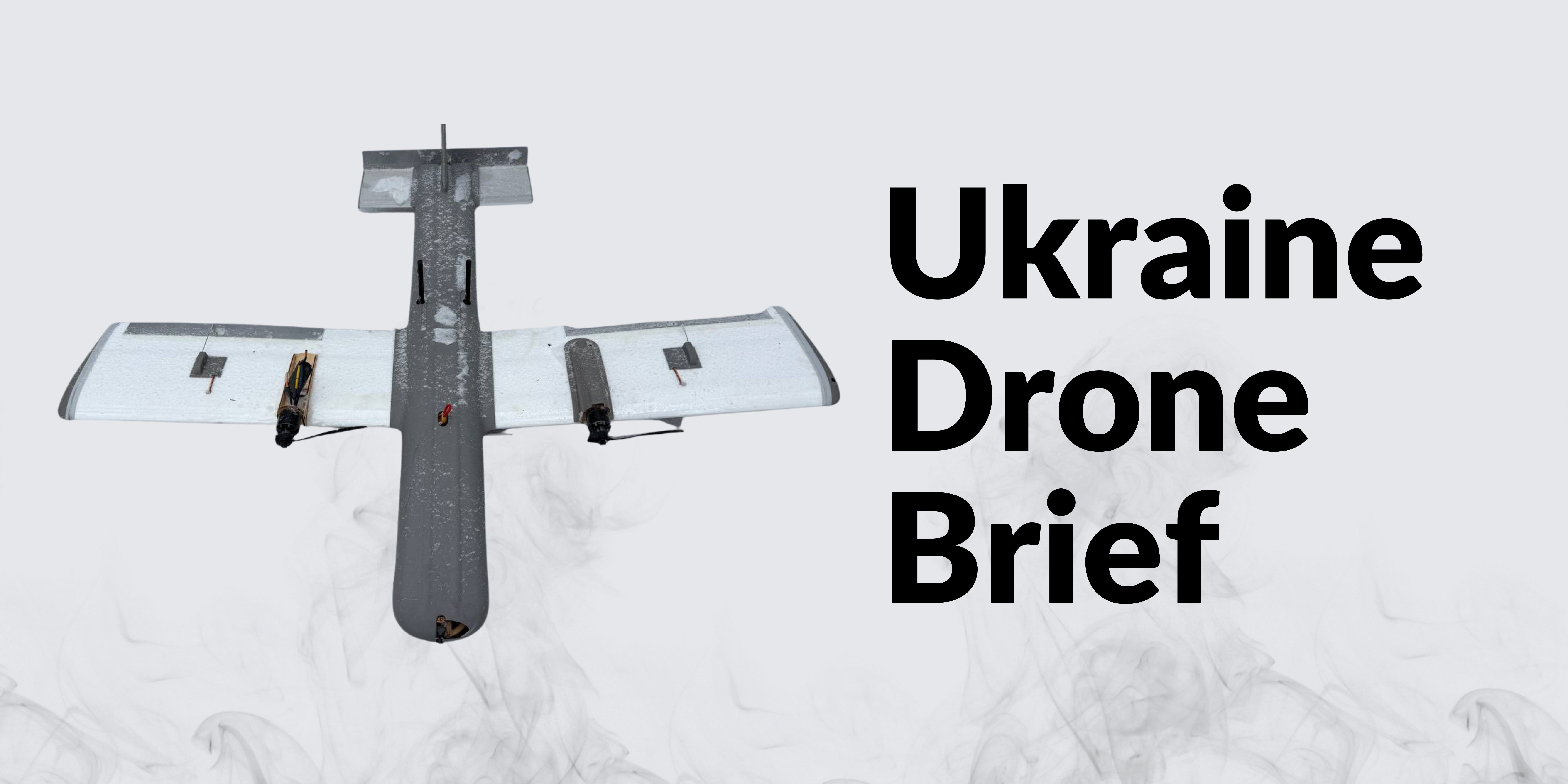
Ukraine has few equals in defence innovation, but now it remains vulnerable in one particular area: countering jet-powered threats, some of which no longer resemble conventional drones.
This weekly digest covers more than 30 developments in drone and counter-drone technologies in Ukraine and Russia.
Check out earlier free editions: August 22-28; July 25-31; July 11-17.
Naval Drones
According to the Ukrainian Navy, none of the maritime drones that Russia has deployed this season reached their intended targets; all were destroyed at sea. Russia, in turn, is using a range of measures to counter Ukrainian maritime drones, such as boom barriers, aviation, and observation posts.
Russia has already lost about 30% of its Black Sea Fleet, while its capacity to employ Kalibr cruise missiles has fallen by roughly half.
Ukrainian-British UFORCE has begun recruiting Formula 1 engineers on a large scale to help develop its drone systems. They have exactly the expertise needed: strong experience with composites and carbon fiber used in race cars, deep knowledge of sensors, and the ability to optimize both electric and conventional engines. Another advantage of Formula 1 engineers is their ability to reduce structural weight without compromising reliability.
UFORCE systems, including the MAGURA maritime drone, have carried out more than 150,000 combat missions.
Aerial Drones
On September 25, Russian forces attacked Ukraine with 162 strike drones of various types, including 76 jet-powered UAVs. Ukrainian air defenses shot down or suppressed 127 targets.